
Earplugs Guide: Types, Materials, Fit, and Best Uses
przez Hamit Kanuni Kuralkan na Mar 18, 2026

We all get annoyed when we wish to focus on work, study, or simply sleep, but the noises from day-to-day life won’t let us. Now, you must be reaching out to earplugs, which are an absolutely best option to block away noise, only if you have the right kind for the right purpose. We say this because earplugs are available in many types of materials, including foam, silicone, wax, and some high-tech ones. Moreover, fit matters too; if it’s too loose, it won’t block noise; too tight, and hello, ear pain.
Now, let’s get back to our question, “How do you find the perfect ones?” Well, you read this blog because this is exactly what we have detailed here.
Key Takeaways
Earplugs or Earbuds: What’s Right for You? How Earplugs Actually Block Noise Pick the Right Design for Your Needs Material Matters: Choosing Foam, Silicone, or Wax Getting the Perfect Fit Every Time Correctly Inserting and Removing Earplugs Cleaning, Storing, and Knowing When to Replace Protecting Your Ears in Loud Environments |
Earplugs vs Earbuds

Earplugs
Earplugs are conical blockers that are meant to reduce noise. Their main purpose is to protect your eardrums from the damage loud, constant noise causes, but they can even be helpful in reducing allergies and sinus pain.
Earbuds
On the other hand, earbuds are primarily for listening to music, podcasts, or calls. Some offer passive noise isolation, and premium ones even have active noise cancellation (ANC). They aren’t made for full-time noise blocking; they simply isolate you by playing sounds through them.
Here’s a side-by-side comparison of both:
|
Feature |
Earplugs |
Earbuds |
|
Main Purpose |
Noise reduction/protection |
Listening to audio |
|
Material |
Foam, silicone, wax |
Plastic, silicone tips |
|
Noise Blocking |
High |
Low to medium (ANC optional) |
|
Comfort for Sleep |
Excellent (soft fit) |
Not ideal |
|
Reusability |
Disposable or reusable |
Reusable |
|
Best Use |
Sleeping, studying, concerts, travel |
Music, calls, entertainment |
How Do Earplugs Work?
Seal and fit are the performance drivers
Wondering how noise reduction earplugs improve daily life? Earplugs act as a barrier between your ear canal and the outside noises. They dampen the sounds by blocking the waves. They effectively block maximum noise and are even helpful for migraines. There are multiple factors that contribute to the effectiveness of earplugs, these include:
-
Seal creation: A tight seal reduces the amount of sound that can enter the ear canal, lowering overall volume.
-
Noise attenuation: By creating resistance, earplugs reduce the intensity of both low- and high-frequency sounds.
-
Pressure distribution: Properly fitted earplugs spread the pressure evenly, preventing sound “leakage” around gaps.

Why do results vary between people?
Not everyone’s ears are the same; ear size, shape, and how you insert the plug all affect performance. Here’s how:
-
Ear canal size and shape: If one has smaller or irregular canals, normal earplugs won’t fit; you would need customized ones.
-
Insertion technique: Improper insertion can drastically lower effectiveness.
-
Material tolerance: Some people find certain materials uncomfortable, affecting consistent use. You need to have a material that suits you.
Ratings overview
Noise Reduction Ratings (NRR) provide a standardized measure of an earplug’s maximum potential to block sound. NRR 20–25 dB is usually enough to reduce background noise. Moreover, different types of earplugs also perform better for certain frequencies. For example, foam plugs tend to reduce a wider range of sounds, while silicone plugs may be more effective at blocking mid- to high-frequency noise. Ratings are best used as a guideline rather than a guarantee, since comfort, fit, and proper usage are what ultimately determine real-world performance.
Choose Design by Purpose of Use
Sleep-optimised reusable designs
Many people question, “Is sleeping with earplugs safe?” Well, yes, if you have them in materials that are typically soft, hypoallergenic silicone or advanced polymers that retain shape while allowing consistent attenuation. These low-profile plugs maintain canal health by allowing minimal ventilation to prevent moisture buildup. A popular option is GoodSleep earplugs for complete sleep support.
Sleeping
Need perfect earplugs for sleeping? What you want to do is get high noise attenuation earplugs, probably NRR 20–33 dB. These help block low-frequency sounds like HVAC noise. Moreover, just ensure the material is contoured and comfortable in case you sleep on your side.
Snoring (for the listener)
Having a snoring partner is a nightmare, but you can deal with it easily if you have low-frequency attenuation (100–500 Hz) earplugs. Check for deep canal insertion, as this will maximize masking without over-compressing your ear.
Case Study: How Earplugs Protect Sleep and HearingNoise can seriously mess with sleep and hearing, and research shows earplugs make a measurable difference. In a laboratory study published in the U.S. Department of Health and Human Services, participants exposed to intermittent environmental noise experienced significant disruption in deep sleep (N3 stage). When they wore earplugs, these disturbances were dramatically reduced, allowing for more restorative, uninterrupted sleep. This demonstrates that earplugs aren’t just comfort tools; they’re effective for protecting sleep quality even in noisy settings. |
Focus and everyday noise reduction
We are met with mid to high frequency in our daily routine. To counter these noises a earplug that can mask frequencies between 500–4000 Hz is ideal. Moreover, if it has directional isolation, the earplugs will help further in work and study. Also, try going for silicone tips as they are perfect for long-term wear.
Flight designs (pressure-oriented features)
There are special Aeroplane earplugs for pressure relief when you are on a flight. These earplugs combine moderate noise reduction (NRR 20–25 dB) with pressure equalization to protect the ears from cabin noise and altitude changes. You can also find filtered plugs with pressure-regulating vents that prevent barotrauma.
Water-focused designs
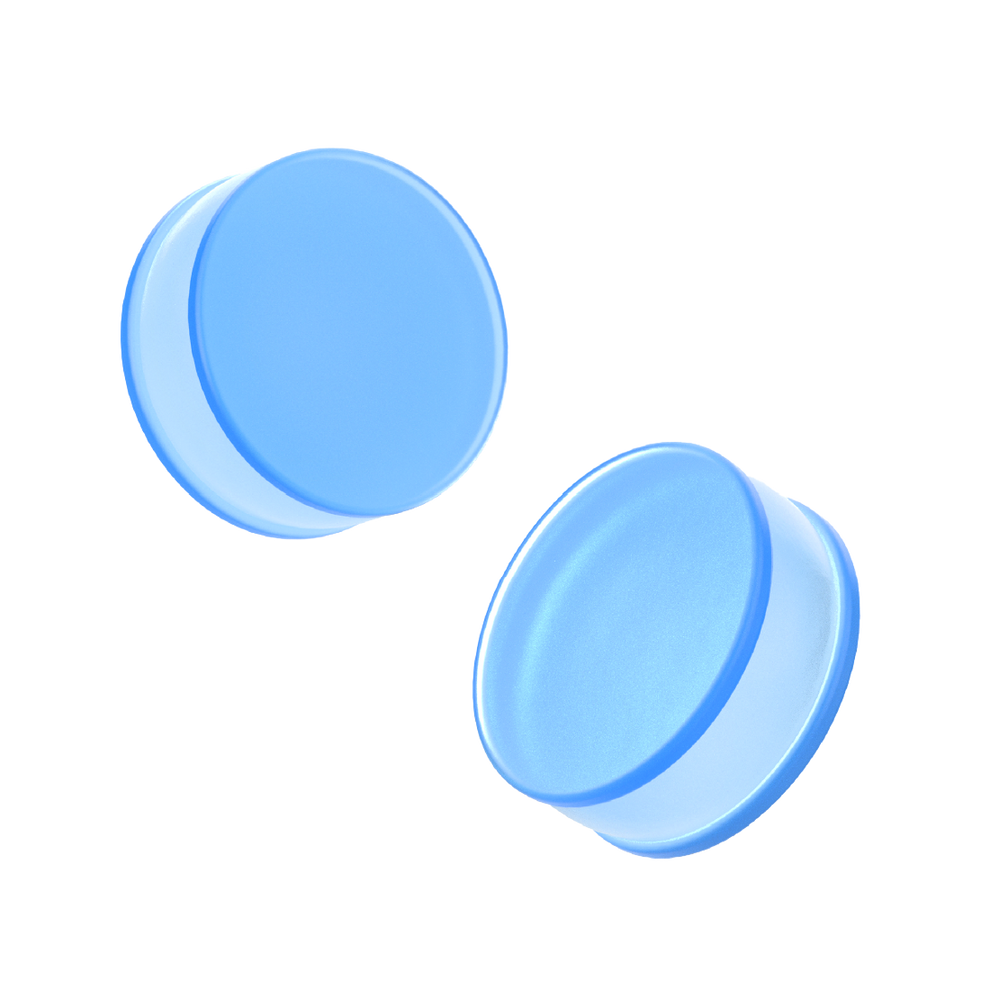
These plugs maintain shape under water pressure, resist degradation from chlorine or salt, and are easy to clean, making them ideal for swimming, showering, or aquatic sports.
Swimming
Swimming earplugs require a watertight seal rather than maximum noise reduction. A slightly stiffer outer structure resists water pressure, while the inner canal mold ensures comfort. Go for biocompatible, hypoallergenic materials that help prevent ear infections from repeated exposure.
Showering
When finding showering earplugs, you need to prioritize complete water impermeability, with noise reduction as a secondary concern. The design must lock securely in the ear canal under running water, and materials should be resistant to soap, shampoo, and heat, preventing degradation over time.
Choose by Material and Design
Foam earplugs
Earplugs made of foam are highly compressible and expandable. This allows the material to provide a tight seal in the ear canal. They excel at broad-spectrum noise attenuation, reducing both low- and high-frequency sounds efficiently. The open-cell structure allows minimal airflow, which maintains comfort over prolonged wear.
Silicone earplugs
This material is highly acclaimed for its moldable and pre-shaped design. It offers durable sealing and, hence, silicone is perfect for enhancing productivity. Their elasticity allows adaptation to varying ear canal geometries. Silicone provides moderate-to-high attenuation, particularly effective for mid- to high-frequency noise. They resist moisture absorption, making them suitable for multi-hour wear, swimming, or humid environments, and are hypoallergenic with minimal skin irritation risk.
Beeswax earplugs (moldable)
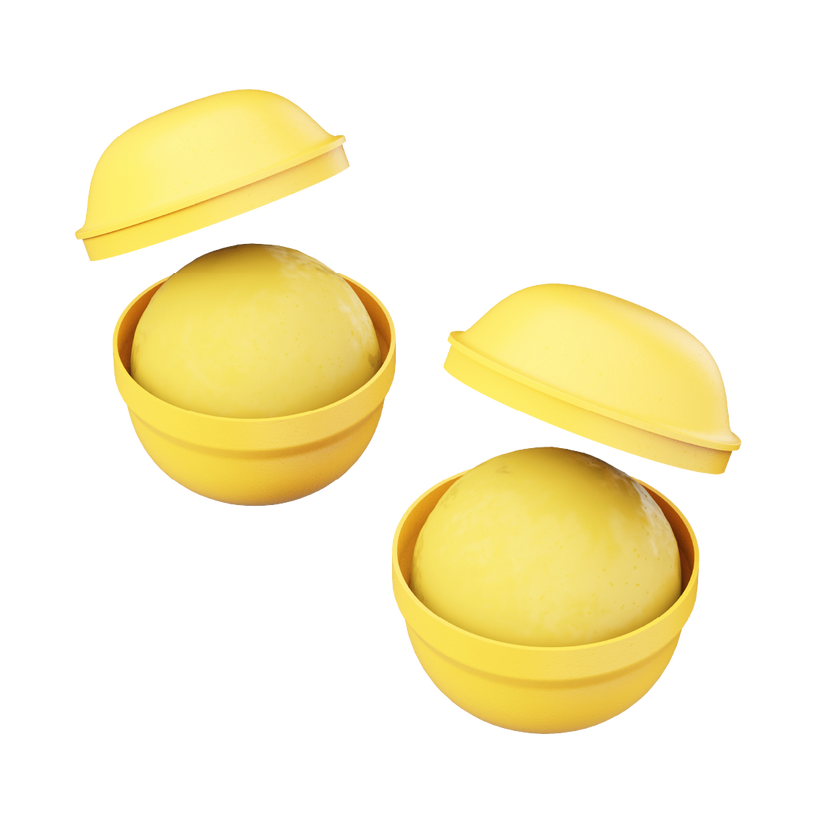
If you need earplugs that bring together thermoplasticity and malleability, go for natural beeswax earplugs for complete sleep and noise support. Owing to its flexible nature, the earplug conforms perfectly to the ear canal. This creates a highly effective seal, maximizing low-frequency noise attenuation. Beeswax naturally adjusts to body temperature, providing stable, long-duration wear.

Fit and Sizing
Why does sizing matter?
Many people have a myth that earplugs are universally sized for everyone. Well, that’s not true. There is sizing in earplugs based on the ear canal’s size and shape. This sizing is critical for optimal noise reduction. An earplug that’s too small fails to create a complete seal, allowing sound or water to leak in, while an oversized plug can cause pressure points, ear canal irritation, or pain. Correct sizing ensures consistent attenuation across frequencies.
Size selection workflow
-
Measure ear canal dimensions if possible, using manufacturer sizing guides or trial kits.
-
Choose plugs that match insertion depth: shallow plugs suit low-profile or sleep designs, deeper inserts maximize attenuation for foam or moldable types.
-
Test multiple sizes to find one that balances seal and comfort; some reusable plugs come in S/M/L/XL or adjustable variants.
-
Confirm fit stability by simulating movements like chewing, head rotation, or swimming strokes.
Seal check checklist
-
Comfort without sharp pressure: A proper earplug should sit snugly in the canal without creating localized stress points.
-
Stable during jaw movement: Chewing, talking, or yawning can shift the earplug if it isn’t properly seated.
-
Consistent reduction or water seal: The earplug must provide reliable attenuation or water protection throughout its use. Sound or water should not bypass the seal.
-
No pain during insertion or removal: Insertion and removal should be smooth and pain-free, without causing micro-tears, abrasions, or pressure spikes.
When to switch types instead of switching sizes?
Sometimes, trying a different size just doesn’t cut it. If your earplugs still feel uncomfortable, let in noise, or leak water, it’s probably time to switch types instead of sizes. Foam, silicone, and wax all work differently;
-
Foam blocks max noise
-
Silicone molds for reusable comfort
-
Wax hugs every ear shape.
Picking the right type for sleep, swimming, flying, or focus usually fixes problems way better than fiddling with size.
How to Insert and Remove Earplugs Correctly?
Foam insertion
-
Roll the foam into a tight, crease-free cylinder.
-
Pull your ear upward and outward to straighten the canal.
-
Insert the foam fully and hold for 20–30 seconds to allow expansion.
Reusable inserted designs
-
Gently push the pre-shaped or flanged plug into the ear canal until it fits snugly.
-
Adjust lightly to ensure a secure seal without pressure.
-
Check stability by moving your jaw or turning your head.
Moldable application (beeswax and silicone)
-
To use silicone earplugs properly, warm the material slightly to soften and make it pliable.
-
Press and mold into the outer ear canal, creating a custom-fit seal.
-
Smooth edges against the ear concha to prevent discomfort or leaks.
Removal technique
-
Remove slowly and steadily to avoid sudden pressure changes.
-
Gently twist or roll foam plugs during extraction.
-
Wash reusable or moldable plugs after each use to maintain hygiene.
Cleaning, Storage, and Replacement
Here’s how you can properly clean and care for your earplugs:
Cleaning by type
-
Foam earplugs: Generally disposable; avoid washing. If reusable soft foam earplugs for sensitive ears are specified, rinse briefly with mild soap and water, then air-dry completely.
-
Silicone and moldable plugs (beeswax or silicone): Wash with mild soap and warm water after each use; ensure full drying to prevent bacterial growth.
-
Specialized earplugs for showering, flight, swimming, or low-profile: Follow manufacturer cleaning instructions, especially for vented or pressure-regulated plugs, to maintain function.
Storage habits
-
Store earplugs in a clean, dry container or, best, in their original case to prevent dust, dirt, and deformation.
-
Avoid extreme heat, sunlight, or high humidity, which can degrade material and reduce lifespan.
-
Keep plugs separate from sharp objects or fabrics that can cause tearing or contamination.
Replacement planning
-
Foam plugs: Replace after each use or daily in high-noise environments to maintain hygiene and NRR.
-
Silicone/moldable plugs: Replace when signs of wear appear, cracks, loss of elasticity, or reduced sealing.
-
Specialty designs: Follow manufacturer-recommended lifespan; frequent inspection ensures consistent performance and safety.
Hearing Protection for Loud Environments
In Australia, earplugs intended for occupational or loud-environment use must comply with the AS/NZS 1270:2002 standard. This standard defines performance classes (Class 1–5) and assigns SLC80 ratings, which indicate the amount of sound reduction in decibels across key frequencies.
-
Class 1–2: Suitable for moderate noise levels (~80–90 dB), ideal for office, commuting, or casual events.
-
Class 3–4: For louder settings (~95–105 dB), such as concerts, workshops, or urban construction noise.
-
Class 5: Maximum protection for extreme noise (>105 dB), industrial machinery, or live music stages.
Conclusion
Let’s be real, life is noisy, and your ears deserve a break. That’s where Otifleks comes in, they’re comfy, super effective, and actually stay put, so you get real noise reduction without the hassle. Investing in quality earplugs isn’t just about blocking sound; it’s about taking care of your hearing and making your day a whole lot calmer. To explore all options, visit otifleks.com!
FAQs
Can I wear earplugs all day without harming my ears?
Yes, high-quality, well-fitted earplugs are safe for long-term wear. Ensure breaks, maintain hygiene, and choose hypoallergenic materials to prevent irritation or earwax buildup.
Are reusable earplugs environmentally friendly?
Yes, silicone or moldable earplugs reduce waste compared with disposable types. Cleaning and proper storage extend their lifespan while minimizing environmental impact.
Can children safely use earplugs?
Yes, but select age-appropriate, soft, hypoallergenic plugs and supervise insertion.
Can I use earplugs while wearing headphones?
Yes, low-profile or soft silicone plugs can fit comfortably under over-ear headphones, providing noise reduction while still allowing audio clarity.
Will earplugs affect my hearing long-term?
No, when used properly! They protect your ears from loud noise without causing any hearing changes.
How do I stop earplugs from falling out?
Pick the right size, insert properly, and choose a moldable or flanged design that fits your ear canal snugly.
Are reusable earplugs hygienic?
Yes, if cleaned properly after each use. Silicone and moldable plugs can last months while staying safe and germ-free.


