
Hearing Fatigue in Concert Players: How Super Soft Foam Earplugs Aid Recovery
by Hamit Kanuni Kuralkan on Mar 05, 2026

Being a concert musician means that while the audience is listening to your music at a safe distance, it is your ears that bear the majority of the toll. You spend a lot of time not only in loud concert halls but also in soundproof practice rooms, where the sound can easily reach 100 decibels or more. This can tire your ears out and lead to very serious problems. This is where Super Soft Foam earplugs help save your music career. These skin-friendly, portable earplugs lower sound exposure by several decibels, enabling you to reverse hearing fatigue in a matter of no time.
Thus, it is important to understand what problems these earplugs can help you with, and how to identify these warning signs as well. Well, worry not, for we bring you this guide that covers all that you need to know. Let's begin healing your hearing!
Highlights of Managing Hearing Fatigue In Concert PlayersMusicians performing publicly should not forget how critical protecting their hearing is to their quality of performance and long-term ear health. This blog discusses the fatigue that occurs from prolonged exposure to loud noise, how the fatigue can produce temporary conditions such as tinnitus (ringing in the ear), and even permanent sound-induced hearing loss. It provides various tips on how to prevent further hearing loss via the use of Super Soft Foam Earplugs, which block out potentially damaging sounds while maintaining acoustic clarity. With these tips, musicians can have successful and long-lasting music careers with safe hearing. |
What Is Hearing Fatigue and Why Does It Affect Concert Players?

Hearing fatigue is a temporary, non-clinical phenomenon, when ears are exhausted of their hearing functionality due to overstimulation caused by subjection to amplified sounds for long periods of time. It is not a permanent loss of hearing, but instead manifests as a muffled sensation or ringing in the ears in the form of Tinnitus. In fact, it is completely preventable through routine checkups and the use of noise-cancelling earplugs.
How Are Concert Players At Risk?
Musicians are exposed to such high-decibel environments on a daily basis that overstimulate the hair cells in the cochlea. They also often raise their in-ear monitors (IEMs) or stage speakers to be able to hear themselves over the noise of the crowd, causing, in effect, even higher exposure.
The Most Common After-Effects Musicians Notice Post-Performance
The primary aftereffect of concert performances is Temporary Threshold Shift (TTS), a syndrome in which you experience a sensation of "temporary deafness" due to desensitization of the ears. Thus, it has earned its name among fellow musicians as an "after-concert hangover".
Apart from Tinnitus and general distant and unclear hearing, here are some noticeable symptoms to watch out for:
Ear Fullness or Pressure & Mild Ear Pain:
You will probably experience fullness, blockage, or congestion of the ear canal, followed by some mild pain or aching in the ear after performing.
Difficulty Following Conversations:
You may experience difficulty in understanding speech after having performed (especially if the environment is noisy) for several hours to several days after performing.
Hyperacusis (increased sensitivity)
If you have recently experienced that the majority of sounds (besides conversations) suddenly seem to be too loud to handle or are simply painful in your ears, then you may have developed hyperacusis from recent daily exposure to very loud noises.
Reduced Ability to Identify Subtle Frequencies:
Concert players may experience difficulty in perceiving accurate audio, leading to issues with pitch and tuning. These musical difficulties show up in performances in the form of tonal mishaps, such as going off-pitch or slightly off-key. This ends up interfering with the quality of your performance.

How Unmanaged Hearing Fatigue Impacts Long-Term Performance
Over time, untreated hearing fatigue starts to permanently eat away at the cells and membranes in your cochlea. Eventually, the sound-sensitive, tiny hairs in your inner ear, meant to send sound information to the brain to interpret, break off in response to high decibels and never regrow. This damage to your ear’s neural system ultimately results in two conditions:
-
Hidden Hearing Loss
Even if your hearing seems fine, there can still be silent damage to the delicate synapses in your inner ear. This condition, known as hidden hearing loss or cochlear synaptopathy, doesn’t show up in standard hearing tests. But this silent killer can reduce your ability to perceive speech and sounds in noisy environments and affect overall auditory precision. At this point, you must start considering buying comfortable foam earplugs.
-
NIHL
Noise-Induced Hearing Loss (NIHL) is permanent and the most common cause of hearing loss resulting from untreated amplified music exposure. It is also the only fully preventable cause of hearing loss. Professional pop, rock, and jazz musicians tend to have higher (worse) hearing thresholds in the 3–6 kHz range, a classic sign of noise-induced damage.
Giving Your Ears the Recovery Time They Need with Earplugs
The recommended time for recovery that helps musicians like you keep hearing problems at bay is 16 to 48 hours of complete quiet time. However, you might not be able to adhere to such periods strictly, especially during performance seasons. This is where earplugs come in. They help your ears recover from the risks of hearing loss at concerts and relieve overall sound fatigue. These are some spectacular changes you will notice immediately after getting a much-needed pair:
-
Play Instruments Without Losing Clarity Or Nuance:
A good pair of ear plugs reduce the volume of sound that reaches your eardrums, so you can practice or perform at a safe level without sacrificing the details of the music. These earplugs preserve the natural richness of frequencies instead of completely blocking them out.
-
Comfortable for Long Use:
Quality earplugs don’t compromise on comfort either, so if that is a concern of yours, you should drop it and pick up a pair right away! They are meant to last through multiple uses, which makes them sustainable too.
Meet Otifleks: Built to Support Hearing Recovery

Now you can experience true protection and continue your music-related activities carefree with Otiflek’s earplugs. Our products are structured in a way that allows premium sound reduction, but not at the cost of your comfort. They create a serene atmosphere that helps you focus on hitting all the right notes.
We recommend you explore our Super Soft Foam Earplugs from this collection to truly take in all the irresistible features we provide you, including these :
-
Polyurethane Foam:
Expands gently in the ear canal, creating a secure, comfortable seal without slipping out.
-
Memory Foam:
Slowly returns to its original shape, ensuring consistent comfort and fit.
-
Open Cell Design:
Reduces pressure on the ears while enhancing comfort during extended wear.
-
The Right Size:
Designed to fit all ear shapes comfortably.
-
4 Pairs Included:
Always have a backup set for practice, performances, or travel.
-
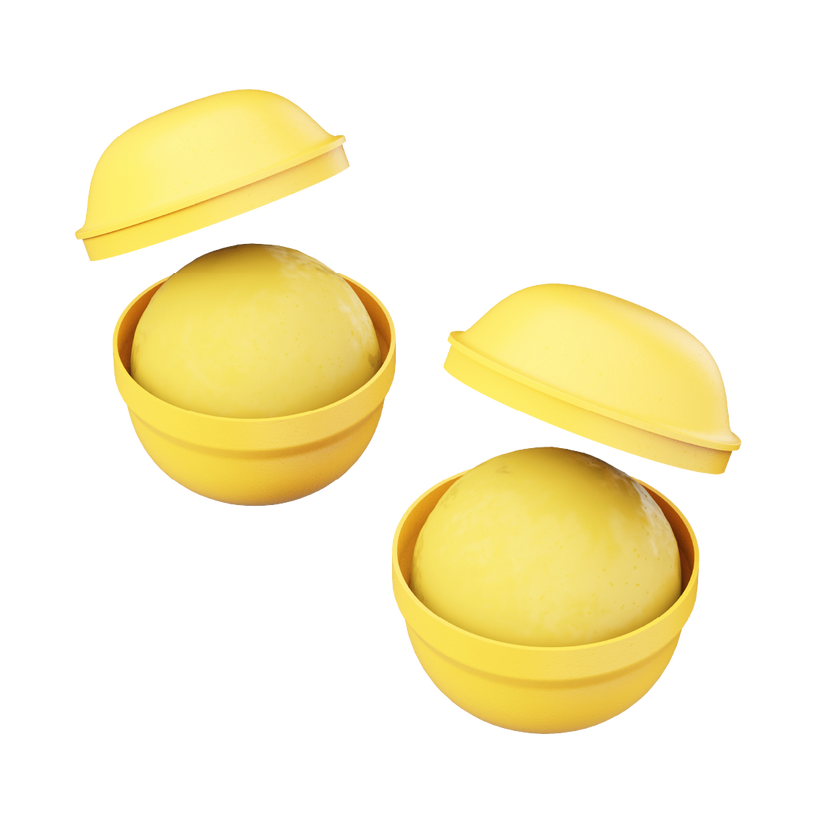
Snaplock Carry Case:
Compact and portable, keeping your earplugs safe and accessible wherever you go.
Conclusion
It is imperative to know what to watch for and how to care for your ears to make sure your music career thrives long enough to reach its prime. At Otifleks, we have always aspired to provide what best helps our customers, so with us, you can rest assured that your ear health is in safe hands. Get your own pair of Super Soft Earplugs and support faster auditory recovery between rehearsals and gigs!
FAQs
Will Super Soft Foam earplugs let me hear quiet cues and subtle dynamics during a performance?
Yes. They reduce only the loudest sounds while keeping soft audio cues intact, so musicians can follow harmonies and stage directions clearly.
Do foam earplugs for noise reduction affect the clarity of high-frequency instruments like violins or cymbals?
No. They protect your ears from harmful volume while maintaining the tonal richness of high-frequency instruments.
Are Super Soft Foam earplugs suitable for both orchestral performances and amplified modern bands?
Absolutely. They provide balanced attenuation for acoustic orchestras and high-decibel rock, jazz, or pop performances.
Do Super Soft Foam earplugs require a break-in period to be comfortable?
No. The memory foam expands gently to fit the ear canal, providing immediate comfort and consistent sound protection.
Are these foam earplugs effective for long rehearsals or multi-hour performances?
Absolutely. Soft memory foam ensures comfort and consistent protection even during extended wear.


