
Quiet Strength for Factory Workers: Protect Hearing, Stay Focused
tarafından Hamit Kanuni Kuralkan üzerinde Aug 04, 2026

If you're a factory worker, your workday likely includes the constant hum of machinery, the clatter of equipment, and hours spent in noisy production environments. Over time, it's easy to accept this as part of the job. However, regular exposure to loud workplace noise can gradually affect your hearing, often without obvious warning signs. By the time symptoms like ringing ears or difficulty hearing conversations become noticeable, some of the damage may already be permanent. According to Hearing Australia, around 1.1 million Australian workers are exposed to hazardous workplace noise each year. That's why protecting your hearing before problems develop matters, and that's where noise-cancelling earplugs help reduce daily noise exposure, keeping you comfortable, focused, and protected throughout every shift.
In this guide, we'll cover the warning signs to watch for, how factory noise affects hearing over time, and what to consider when choosing the right protection.
Hearing Protection Overview
Factory noise can gradually affect both your hearing and concentration, often before obvious symptoms appear. Recognising early warning signs and taking preventive action can help reduce the risk of long-term hearing damage and workplace fatigue. Noise-cancelling earplugs provide effective everyday protection by reducing harmful noise exposure while improving comfort and focus. Choosing earplugs that fit your work environment and wearing them consistently is a simple yet important step toward protecting your hearing throughout every shift.
Are You Losing Focus Due to Factory Noise?
For a factory worker, loud machinery quickly becomes part of the daily routine. However, constant workplace noise can affect your focus and mental alertness long before you notice changes in your hearing. Recognising these early signs can help you act before the effects become serious.
Common Signs You Shouldn't Ignore
You may be experiencing the effects of excessive workplace noise if you notice any of the following:
-
You lose track of steps in a task you'd normally complete without thinking twice.
-
You re-read the same instruction or measurement more than once before it registers.
-
Small mistakes creep in during the last hour or two of a shift.
-
You feel mentally drained by day's end, even on lighter shifts.
-
Sudden sounds, like an alarm or shout, startle you more than before.
-
Picking up new procedures or retraining on equipment feels harder than it used to.
-
Headaches or irritability set in after hours on a loud production line.

How Does Regular Loud Factory Noise Harm Your Hearing and Increase Stress?
Loud Noise Can Gradually Damage Your Hearing
Inside your inner ear are tiny sensory hair cells that convert sound into signals for your brain. Daily exposure to heavy machinery, production lines, compressors, and other industrial equipment can gradually damage these delicate cells. Since they don't regenerate, the effects may become permanent, making it harder to hear conversations, recognise warning signals, and distinguish everyday sounds.
Constant Noise Can Increase Mental Fatigue and Stress
Factory noise affects more than your hearing. Your brain constantly filters background noise while helping you focus, communicate, and stay alert around moving machinery. Over time, this extra effort can lead to mental fatigue, reduced concentration, irritability, and increased stress, especially during long shifts. Safe Work Australia recognises that prolonged exposure to workplace noise can affect both worker health and safety, making effective hearing protection an important part of everyday personal protective equipment.
Why Early Protection Matters?
Noise-induced hearing damage develops gradually, making it easy to miss the early signs. Wearing noise-cancelling earplugs consistently helps reduce harmful noise exposure, supporting long-term hearing health while keeping you comfortable and focused throughout every shift.
How Can Noise-Cancelling Earplugs Help Factory Workers?
Reduce the Risk of Permanent Hearing Damage
Factory machinery, compressors, presses, grinders, and production lines can expose workers to hazardous sound levels throughout a shift. OSHA states that exposure above 85 dBA can damage hearing, while repeated exposure may lead to permanent noise-induced hearing loss or tinnitus.
Properly fitted noise-cancelling earplugs reduce the amount of sound reaching the inner ear, helping lower the worker’s cumulative daily noise exposure. This is particularly important because occupational hearing damage is generally permanent and cannot be restored through surgery or medication.
Support Better Concentration and Lower Noise-Related Stress
By reducing persistent background noise, suitable earplugs for loud environments can create a more manageable auditory environment. This may help factory workers concentrate on inspections, assembly tasks, equipment operation, and quality-control procedures without being constantly distracted by surrounding machinery.
Help Workers Hear Speech and Warning Signals More Clearly
The goal of hearing protection is not to block every sound. Excessive sound reduction can prevent workers from hearing coworkers, alarms, moving vehicles, equipment changes, or emergency instructions. Level-dependent and sound-restoration earplugs are designed to allow quieter sounds, such as speech, to remain audible while reducing louder hazardous noise.
Provide Comfortable Protection During Long Factory Shifts
Noise-reduction earplugs are lightweight, compact, and generally easier to wear with hard hats, safety glasses, face shields, and other personal protective equipment. NIOSH notes that earplugs may also be more comfortable than earmuffs during long shifts or in hot working environments.
Comfort matters because hearing protection is only effective when workers wear it correctly and consistently. An uncomfortable or overly restrictive device is more likely to be loosened or removed, significantly reducing the protection received during the shift.
Deliver Task-Specific and Measurable Noise Protection
Factory noise varies by department, machine, task, frequency, and exposure duration. Therefore, earplugs should be selected according to measured workplace noise rather than simply choosing the product with the highest advertised rating. Individual fit-testing can generate a Personal Attenuation Rating, showing how much protection a particular worker actually receives.
Find hearing protection designed to reduce workplace noise while keeping you comfortable, focused, and ready for every shift.
5 Daily Habits That Help Protect Your Hearing at Work
Factory noise is often unavoidable, but the way you protect your hearing each day is within your control. Simple habits, such as identifying noisy work areas, wearing properly fitted hearing protection, and maintaining your earplugs, can significantly reduce unnecessary noise exposure over time. Following these practical steps consistently helps support long-term hearing health while improving comfort, focus, and confidence throughout every factory shift.

Which Earplugs Offer the Best Protection and Comfort for Factory Work?
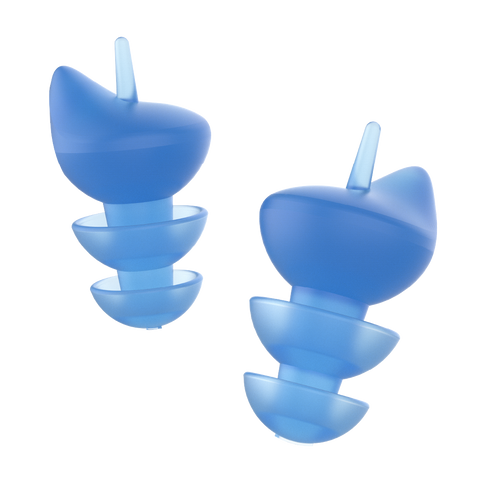
Choosing the right hearing protection isn't just about reducing noise; it's also about finding earplugs you'll feel comfortable wearing throughout your shift. The best option depends on your work environment, the level of noise you're exposed to, and whether you prefer a reusable or disposable solution. A proper fit is equally important, as earplugs can only provide effective protection when they're worn correctly and consistently. The comparison below can help you decide which option best suits your daily factory routine.
|
Feature |
||
|
Best for |
Workers in moderately noisy factory areas or those moving between different work zones. |
Workers exposed to continuous high noise from heavy machinery and production lines. |
|
Comfort |
Soft, flexible silicone provides a comfortable, reusable fit without creating excessive pressure. |
Slow-expanding foam moulds to the ear canal, creating a snug and comfortable seal for extended wear. |
|
Reusability |
Washable and reusable, making them a cost-effective option for everyday use. |
Disposable and designed for single or limited use to maintain hygiene and performance. |
|
Typical factory use |
Maintenance work, inspections, warehouses, and general manufacturing tasks with varying noise levels. |
Machine operation, metal fabrication, woodworking, assembly lines, and other consistently noisy environments. |
|
Maintenance |
Clean regularly and store properly between uses. |
Replace when dirty, damaged, or after the recommended period of use. |
Ultimately, the best earplugs are the ones that suit your work environment and fit comfortably. Wearing them consistently helps reduce noise exposure while supporting your long-term hearing health.
Conclusion
Factory noise doesn't have to cost you your focus or your hearing. Otifleks offers reusable thermoactive, silicone, natural beeswax, and foam earplugs designed for comfort through a full shift, not just a few hours. Whichever material suits your ears best, protecting your hearing today means staying sharp, alert, and safer on the job for years to come.
Your hearing works hard every shift. Give it a fit that works just as hard back, comfortable, reliable, and built to last through every loud hour on the floor.
Frequently Asked Questions About Noise-Cancelling
Earplugs for Factory Workers
How do I know if my earplugs fit correctly?
A properly fitted earplug should create a secure seal without causing pain or slipping out. If surrounding noise is noticeably reduced and the earplug feels stable, it's likely fitted correctly.
Can I wear earplugs for an entire work shift?
Yes. Most hearing protection earplugs are designed for extended wear when used correctly. Always follow the manufacturer's instructions and replace or clean them as recommended.
How often should reusable earplugs be cleaned?
Reusable earplugs should be cleaned after each use or whenever they become dirty. Regular cleaning helps maintain hygiene, comfort, and their overall effectiveness.
Are earplugs suitable for workers who wear safety helmets or goggles?
Yes. Most earplugs fit entirely inside the ear, making them compatible with common personal protective equipment such as safety helmets, goggles, and face shields.
Do noise-cancelling earplugs block out all sound?
No, well-designed earplugs reduce harmful noise levels while still allowing moderate sounds through, so workers can hear alarms, instructions, and coworkers without being completely cut off from their surroundings.


