
Protect Your Ears: The Risks of Hearing Loss in Concerts
tarafından Hamit Kanuni Kuralkan üzerinde Sep 07, 2023

Concerts are an exhilarating experience, with the pounding bass and soaring melodies providing an unforgettable sensory thrill. However, amid the excitement and music, there's a hidden danger that often goes unnoticed until it's too late: the risk of hearing loss. In this blog post, we'll shed light on the potential dangers to your hearing at concerts and offer some tips on how to protect your precious auditory health.
Quick Insight: Hearing Safety at ConcertsConcerts can expose ears to dangerously high decibel levels, risking temporary or permanent hearing loss and tinnitus. Even if no immediate discomfort is felt, repeated exposure can cause cumulative damage. This blog highlights the effects of loud music on auditory health and provides practical preventive measures, including ear protection, strategic positioning, and mindful listening habits, helping concertgoers enjoy live music safely while safeguarding long-term hearing. |
How The Deafening Decibels Harm You
Concerts are renowned for their high-decibel levels, often reaching volumes as loud as 120 to 130 decibels or more. Prolonged exposure to such intense sound can cause irreparable damage to the delicate structures of the inner ear. These structures, responsible for transmitting sound signals to the brain, can be permanently impaired, leading to hearing loss and even tinnitus (ringing in the ears). The risk is particularly significant for those who attend concerts regularly or for musicians and venue staff who are exposed to loud music night after night.
Immediate and Long-Term Effects
Hearing loss from concerts can occur acutely, resulting in temporary or permanent impairment of hearing sensitivity. However, even if you don't notice immediate effects, the cumulative exposure to loud music over time can lead to gradual and permanent hearing damage. It's essential to recognize that the impact of noise-induced hearing loss is often irreversible, making prevention crucial.
Protective Measures That You Can Take

To enjoy the magic of concerts while safeguarding your hearing, consider taking precautions such as:
-
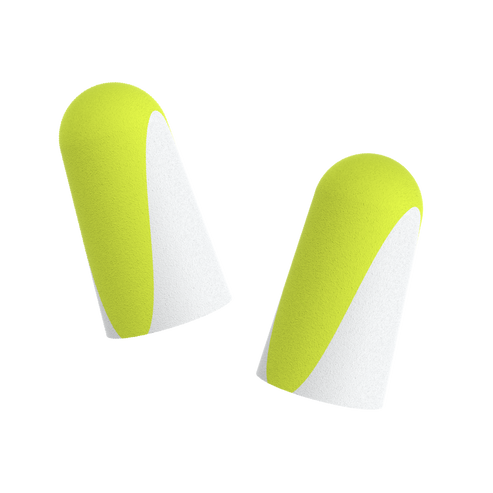
Wearing earplugs specifically designed for musicians and concertgoers:
These earplugs reduce sound levels while preserving sound clarity, allowing you to enjoy the music without putting your hearing at risk.
-
Resting your ears:
Additionally, taking breaks from the loudest parts of the concert, standing away from the speakers, and monitoring your exposure time can also help protect your auditory health.
Remember that your ears are precious, and by taking simple steps to prevent hearing loss at concerts, you can continue enjoying the music for years to come.
Conclusion
It is essential to remember that the risks of hearing loss at concerts are real and should not be underestimated. The deafening decibels and prolonged exposure can lead to both immediate and long-term hearing damage. Protecting your ears with musician-grade earplugs and practicing responsible listening habits are essential steps in preserving your auditory health while still savoring the magic of live music. So, as you head to your next concert, remember to take care of your hearing, because the music is meant to be heard, not just today, but for a lifetime!

Frequently Asked Questions
What are the signs of hearing damage after a concert?
Hearing damage can show up as muffled or distorted hearing, ringing or buzzing in the ears (tinnitus), ear pain, or a feeling of fullness. Difficulty understanding speech in noisy environments or sensitivity to everyday sounds can also indicate temporary hearing stress.
How long does hearing loss last after a concert?
Temporary hearing loss can last from a few minutes to several hours or even days, depending on exposure intensity and individual sensitivity. Even if your hearing seems normal afterward, repeated exposure over time may lead to permanent damage.
How often should I take breaks during a concert to protect my ears?
Taking regular breaks helps reduce cumulative noise exposure. Stepping away from the loudest areas or speakers for 5–10 minutes every hour gives your ears a chance to recover. Even brief pauses during the show can significantly lower the risk of long-term auditory damage while allowing you to continue enjoying the performance.
Does distance from the stage really affect hearing risk?
Yes, sound intensity decreases as you move further from the source. Standing or sitting mid-range or toward the back of the venue can reduce decibel exposure significantly. Planning your position in advance is an effective, simple way to enjoy the music while protecting your ears.
Are there apps that can alert me when I’ve reached a safe decibel limit?
Yes, decibel meter apps and wearable devices can track sound exposure in real time. They alert you when noise levels exceed safe limits, helping you step away or take breaks before your ears are overstressed.
Do children need special protection at concerts?
Children’s ears are more sensitive to loud sounds. Using child-sized earplugs, limiting time near speakers, and taking regular breaks are recommended to safeguard their developing hearing.
Do in-ear monitors help musicians protect their hearing?
Yes, professional musicians often use in-ear monitors, which reduce ambient sound while maintaining clarity. This helps prevent long-term damage compared to traditional stage monitors, especially during repeated performances.


