
Dive into Prevention: How Earplugs Can Safeguard Against Water-Related Ear Infections
by Hamit Kanuni Kuralkan on Sep 07, 2023

Few things rival the joy of swimming on a scorching summer day, but along with the fun comes the risk of water-related ear infections. The term "swimmer's ear" is all too familiar, but did you know that you can reduce your susceptibility to such infections by simply using earplugs? In this blog post, we'll explore how earplugs can serve as an effective defence against ear infections caused by water and keep your aquatic adventures trouble-free.
Overview: The Role of Earplugs in Preventing Swimmer’s EarEarplugs prevent water-related ear infections by stopping contaminated water from entering the ear canal, controlling moisture, and reducing trauma during swimming. This dry, protected environment lowers the risk of swimmer’s ear across all water activities. |
How Earplugs Protect Your Ears From Water-Related Infections

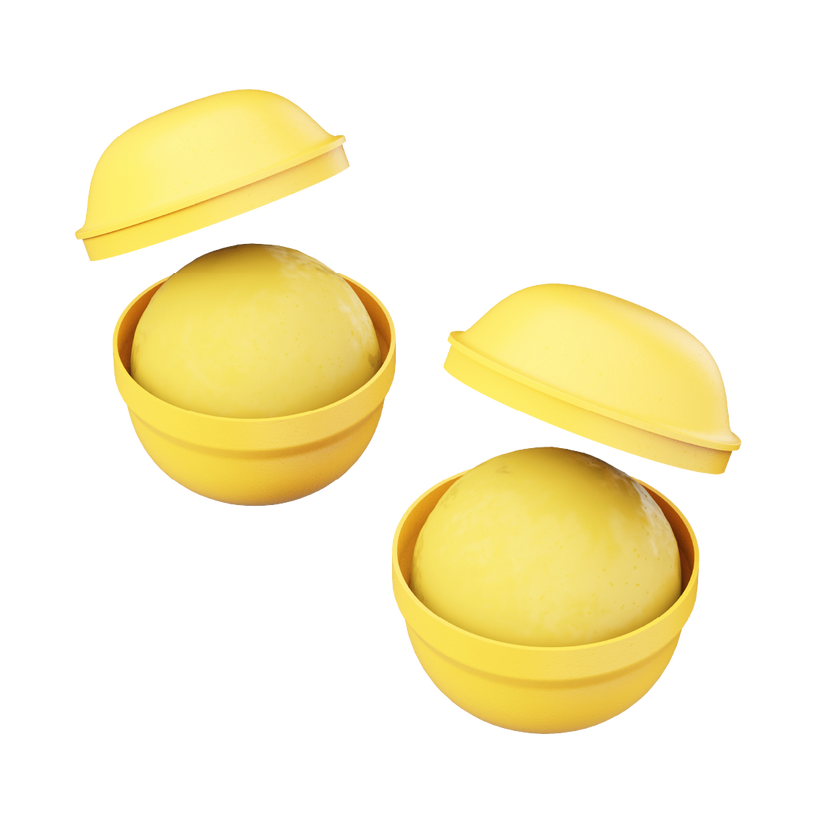
1. Water's Gateway to Infection:
Water, especially when contaminated, can carry harmful bacteria and fungi. When water enters the ear canal during swimming, it creates a damp environment that is conducive to the growth of these microorganisms, potentially leading to swimmer's ear, an infection of the outer ear. Earplugs act as a physical barrier that prevents water from entering the ear canal, significantly reducing the risk of infection.
2. Moisture Management:
Earplugs not only keep water out but also help manage moisture within the ear. Excess moisture can disrupt the natural balance of the ear canal, making it more susceptible to infection. By wearing earplugs, you can maintain a dry ear environment, inhibiting the growth of bacteria and fungi that thrive in damp conditions.
3. Preventing Ear Trauma:
Water rushing into the ear at high speeds, such as when diving or jumping into a pool, can cause trauma to the ear canal. This trauma can create small cuts or abrasions, providing an entry point for infection-causing microorganisms. Earplugs cushion the ear canal, reducing the force of water impact and minimising the risk of such injuries.
4. Customised Comfort:
Modern earplugs come in various shapes, sizes, and materials, including custom-moulded options. This variety allows you to choose earplugs that offer optimal comfort and fit for your ears, ensuring that you're more likely to use them consistently. Comfortable earplugs encourage regular use, further decreasing your chances of water-related ear infections.
5. Versatile Protection:
Earplugs are not limited to swimming alone; they can also be used during other water-related activities, such as showering, kayaking, or even bathing. By wearing earplugs in any situation where water exposure is a concern, you extend the protection and minimise the risks associated with water-related ear infections.
High-Risk Swimming Environments Where Earplugs Matter Most
Not all swimming environments carry the same risk when it comes to ear infections. Factors like water circulation, bacterial load, chemical balance, and weather conditions can significantly increase exposure, making earplugs essential in higher-risk settings rather than just optional protection.

Conclusion
In conclusion, earplugs are a practical and versatile solution to help prevent ear infections caused by water. Whether you're a frequent swimmer or just occasionally find yourself in watery situations, investing in a good pair of earplugs can be a wise choice for safeguarding your ear health. By using earplugs, you can enjoy your aquatic adventures to the fullest while ensuring that swimmers' ear and other water-related ear infections stay at bay. Dive into prevention today and keep your ears healthy and infection-free!
Frequently Asked Questions
Do Silicone Earplugs Work For Swimmers’ Ear?
Yes, silicone earplugs create a safe, waterproof seal that helps prevent water entry, reducing moisture buildup and lowering the risk of swimmer’s ear.
How Do I Clean And Care For My Swimming Earplugs?
Rinse reusable earplugs with clean water after use, air-dry completely, store in a clean case, and avoid sharing to prevent bacteria buildup.
When Should I Replace My Swimming Earplugs?
Replace the swimming earplugs when they show wear, lose shape, or stop sealing properly, typically every 3–6months with regular use.
How Do I Insert The Swimming Earplugs Correctly For Best Results?
Insert earplugs into clean, dry ears, ensuring a snug seal without force; they should sit comfortably and block water without causing any pressure.
How Long Can I Wear Swim Earplugs Safely?
Swim earplugs can be worn during water activities for several hours, but remove them afterwards to let ears dry and prevent moisture trapping.


